Cenospheres for Lightweight, High-Performance Material Solutions

Engineered by nature and valued for their unique combination of low density, strength and functional performance, cenospheres offer a versatile solution for a wide range of industrial applications.

At Universal Fillers, we supply cenospheres for applications where weight reduction, material efficiency and performance matter.

Lightweight  |  Functional  |  Sustainable
Cenospheres

A Lightweight Material with Exceptional Versatility

Cenospheres are naturally occurring hollow, spherical particles recovered from fly ash. Their distinctive structure, low density and useful physical properties make them a versatile material for applications across construction, oil & gas, coatings, composites, ceramics and other industrial sectors.

At Universal Fillers, we focus on supplying cenospheres that meet defined application and material requirements, helping manufacturers and formulators make effective use of this lightweight functional filler.

Discover Our Cenospheres

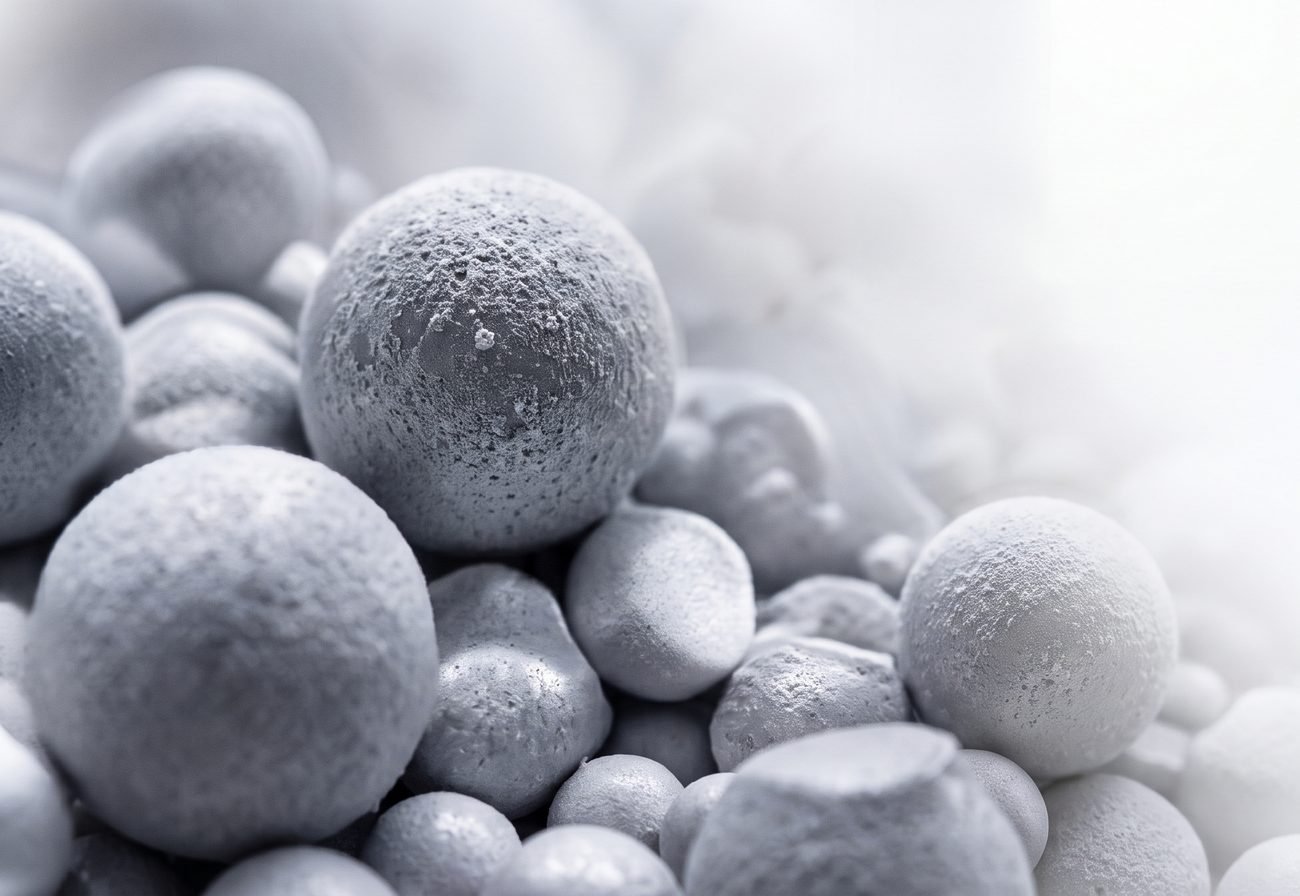
Hollow cenosphere particles
Why Cenospheres?

The Advantage Lies in Their Structure

The hollow spherical structure of cenospheres gives them a distinctive combination of properties that can add value to different material systems.

Lightweight

Their low density makes cenospheres useful where reducing the overall weight of a formulation or finished product is a key consideration.

Low Density

Cenospheres can help lower material density while maintaining the functional characteristics required for specific applications.

Hollow & Spherical

Their naturally formed spherical morphology supports smooth incorporation and flow in suitable formulations.

Strength-to-Weight Advantage

Despite their lightweight nature, cenospheres offer useful compressive strength, making them suitable for demanding material systems.

Thermal Performance

Their hollow structure provides useful thermal insulation characteristics in applications where temperature performance is important.

Versatile Filler

From cementitious systems to coatings, polymers and composites, cenospheres can serve a range of material and formulation requirements.

Applications

One Material. Many Industrial Possibilities.

Cenospheres can be incorporated into different material systems to achieve specific performance and formulation objectives.

Explore Applications
Lightweight Concrete & Cement Systems
Lightweight Concrete & Cement SystemsUsed to develop lighter cementitious materials and concrete systems where reduced density is important.
Oil & Gas
Oil & GasUsed in specialised cementing applications where lightweight formulations are required to manage slurry density and related performance requirements.
Paints & Coatings
Paints & CoatingsCan be used as a functional filler in selected coating systems, contributing to lightweight formulations and other desired material characteristics.
Plastics & Polymers
Plastics & PolymersSuitable for selected polymer formulations where reducing density and incorporating a functional mineral filler are important.
Composites
CompositesUsed in composite systems where lower weight and material efficiency can contribute to the desired end-product performance.
Ceramics & Refractories
Ceramics & RefractoriesApplicable to selected ceramic and refractory formulations where lightweight characteristics and thermal performance are required.
Other Industrial Applications
Other Industrial ApplicationsCenospheres can also be considered for specialised applications based on particle size, density, strength and other material requirements.
Product / Technical

Cenospheres Matched to Application Requirements

No two applications have exactly the same material requirements. Particle size, density, compressive strength, chemical composition and other physical characteristics can influence the suitability of a cenosphere grade for a particular formulation.

We provide cenospheres across applicable specifications to support different industrial requirements, with product selection guided by the intended application and required material characteristics.

Key Parameters
  • Particle SizeSpecified according to application and grade requirements.
  • DensityAn important consideration for lightweight formulations and material design.
  • Compressive StrengthRelevant to applications where the integrity of the hollow particles under processing or service conditions matters.
  • Chemical CompositionThe mineral composition of cenospheres plays an important role in determining application suitability.
  • Physical CharacteristicsShape, colour, moisture and other parameters may be relevant depending on the intended use.
Technician examining cenosphere sample under a microscope
Quality & Processing

Consistency That Supports Industrial Performance

For industrial applications, material quality is not defined by a single property. Consistency across the parameters relevant to an application is equally important.

Our approach focuses on appropriate material selection, processing, classification and quality checks to deliver cenospheres in accordance with defined product requirements.

From material preparation to packing, attention to product characteristics helps ensure that the supplied material is suitable for its intended application.

Our Quality Approach
Quality Focus
  • Material SelectionCareful consideration of material characteristics for the intended requirement.
  • Processing & ClassificationProcessing and sizing to achieve the required product characteristics.
  • Quality ChecksVerification of relevant physical and material parameters.
  • Consistent SupplyFocus on maintaining defined product requirements across supplies.
  • Application SuitabilityUnderstanding the intended use is an important part of selecting the appropriate material.
Why Universal Fillers

More Than a Material Supplier

Choosing the right cenosphere is about more than finding a lightweight filler. The right material needs to align with the application, technical requirements and supply expectations.

At Universal Fillers, our approach is built around:

Application Understanding

We look beyond the product name to understand the material requirement and intended application.

Specification-Focused Supply

Product characteristics are considered against the requirements defined for the application.

Consistent Quality

A consistent material profile is important for dependable industrial processing and performance.

Technical Clarity

Clear product information helps customers evaluate the suitability of cenospheres for their requirements.

Reliable Supply

We aim to support customers with dependable product availability, packing and fulfilment.

Responsive Support

From initial enquiry to product information, we maintain a straightforward approach to customer communication.

Sustainability

Creating Functional Value from an Industrial By-Product

Cenospheres are recovered from fly ash generated during coal combustion. Their utilisation provides a pathway for converting these lightweight hollow particles into a valuable material for industrial applications.

By incorporating cenospheres into suitable products and formulations, industries can make use of a recovered mineral resource while pursuing material-efficiency objectives.

At Universal Fillers, we see this combination of resource utilisation and functional performance as an important part of the value cenospheres can offer.

Explore Sustainability
Technical Resources

The Right Information for the Right Material Decision

Selecting a cenosphere grade requires more than a general product description. Technical characteristics need to be considered in relation to the formulation, processing conditions and final application.

Explore our available product and technical information to understand the material characteristics relevant to your requirement.

Explore Technical Resources

Product Information

Understand the characteristics and potential uses of cenospheres.

Technical Specifications

Review the parameters relevant to product selection.

Application Information

Understand where cenospheres can be incorporated and why.

Frequently Asked Questions

Find answers to common product and application questions.

Universal Fillers plant, Raipur
Let's Discuss Your Requirement

Looking for the Right Cenosphere for Your Application?

Whether you are evaluating cenospheres for a new formulation or looking for a dependable source for an existing requirement, we would be glad to understand your application and material specifications.

Explore everything in one place

All About Universal Fillers

01
Who we are

About Us

Building Value Around Cenospheres

Cenospheres are more than lightweight mineral particles. Their unique physical characteristics make them a versatile material for industries looking to improve material efficiency, reduce weight and achieve specific performance requirements.

At Universal Fillers, we are focused on supplying cenospheres for a wide range of industrial applications, with an emphasis on product quality, consistency and application suitability.

Our approach is straightforward: understand the material requirement, provide the appropriate product information and support customers in identifying cenospheres suited to their intended application.

Our Focus

Cenospheres. Clearly Defined. Reliably Supplied.

The performance of a cenosphere depends on its physical characteristics and how well those characteristics match the intended application.

That is why our focus extends beyond simply supplying a material. We pay attention to the parameters that matter for industrial use, including particle characteristics, density, strength and other relevant product specifications.

This application-oriented approach enables us to serve requirements across diverse sectors, from construction and oil & gas to coatings, polymers, composites, ceramics and other specialised material systems.

What We Offer

A Versatile Material for Diverse Applications

Cenospheres can provide valuable advantages in formulations where low density, lightweight performance and functional filler characteristics are important.

Depending on the application, they can be used to:

  • Reduce the overall density of a material or formulation
  • Develop lightweight cementitious and concrete systems
  • Support specialised oil & gas cementing applications
  • Provide functional filler characteristics in coatings and polymers
  • Contribute to lightweight composite systems
  • Support selected ceramic and refractory formulations
  • Improve material efficiency in suitable industrial applications

The right grade and specification, however, depend on the requirements of the final application.

Our Approach

From Material Characteristics to Application Requirements

Every industrial application has its own requirements. A material that works well in one formulation may not necessarily be suitable for another.

Our approach therefore centres on understanding the intended use and considering the product characteristics that are relevant to it.

Application Understanding

We consider the intended application and the material requirements associated with it.

Product Specifications

Relevant physical and technical parameters are considered when evaluating product suitability.

Quality & Consistency

Consistency in material characteristics is important for dependable industrial use.

Clear Communication

We aim to provide straightforward product information so customers can make informed material decisions.

Reliable Supply

We work towards dependable fulfilment of defined product requirements.

Why Cenospheres?

A Distinctive Material with Practical Industrial Value

The hollow, spherical structure of cenospheres gives them a combination of characteristics that conventional fillers may not provide in the same way.

Their low density can support weight reduction, while their spherical morphology, strength and thermal characteristics make them suitable for a variety of specialised applications.

For manufacturers and formulators, this creates opportunities to explore lighter and more efficient material systems without compromising the functional requirements of the application.

Quality as a Core Principle

Consistency Matters

For industrial customers, product quality is not limited to meeting a basic specification. Consistency across relevant material characteristics is essential when a product becomes part of an established manufacturing or formulation process.

Our quality-oriented approach focuses on appropriate material selection, processing, classification and relevant quality checks to support consistent product characteristics.

Where technical specifications are defined for a particular requirement, these parameters form an important part of product evaluation and supply.

From an Industrial By-Product to a Functional Material

Creating Value Through Resource Utilisation

Cenospheres are recovered from fly ash generated during coal combustion. These lightweight hollow particles can be separated and utilised as a functional material across multiple industries.

Their use creates an opportunity to give an industrial by-product a practical second application, particularly in material systems where lightweight and functional filler characteristics are valuable.

For us, this connection between resource utilisation, material efficiency and industrial performance is an important part of the value of cenospheres.

Our Commitment

Focused on the Material. Responsive to the Requirement.

Our objective is to make the sourcing and evaluation of cenospheres straightforward for industrial customers.

Whether the requirement is for an established formulation, a new material development or an application being evaluated for the first time, we aim to provide relevant product information and responsive support throughout the enquiry process.

Quality. Technical clarity. Application focus. Reliable supply.

These principles guide the way we approach every requirement.

Looking for the Right Cenosphere Solution?

Tell us about your application, required specifications or material requirement. Our team can help you explore the relevant product information for your application.

02
The product

Cenospheres

CENOSPHERES

Lightweight Material. Distinctive Performance.

Cenospheres are naturally occurring hollow, spherical mineral particles recovered from fly ash generated during coal combustion. Their unique combination of low density, spherical morphology, lightweight characteristics and functional performance makes them a versatile material for a wide range of industrial formulations.

At Universal Fillers, we supply cenospheres for applications where reducing material weight, improving formulation efficiency and achieving specific physical or performance characteristics are important.

What Makes Cenospheres Different?

The distinctive structure of cenospheres gives them a combination of properties that conventional fillers may not provide in the same way.

Hollow & Spherical Structure

Their hollow internal structure contributes to exceptionally low bulk density, while the spherical shape supports smooth incorporation into many material systems.

Low Density

Cenospheres can significantly reduce the overall density of a formulation, making them particularly useful where lightweight material systems are required.

Lightweight Filler

Their low weight-to-volume ratio makes cenospheres a practical choice for developing lighter cementitious, polymer, coating, composite and other industrial formulations.

Strength-to-Weight Advantage

Despite their lightweight nature, quality cenospheres can offer useful mechanical characteristics, making them suitable for applications where weight reduction and material performance need to be balanced.

Thermal Characteristics

Their mineral composition and hollow structure can contribute to thermal performance in selected applications, depending on the formulation and grade.

Versatile Compatibility

Cenospheres can be incorporated into a variety of material systems, with product selection determined by the requirements of the final application.

Designed Around Application Requirements

Not every cenosphere is suited to every application.

Performance depends on factors such as particle size distribution, bulk density, particle strength, chemical composition, moisture content and the requirements of the final formulation.

At Universal Fillers, we focus on helping customers identify material characteristics that align with their intended use rather than treating cenospheres as a one-grade-fits-all filler.

This application-focused approach supports more informed material selection across different industrial requirements.

Key Product Characteristics

ParameterRelevance
Particle SizeInfluences packing, surface characteristics and formulation behaviour
Bulk DensityImportant for achieving the desired weight reduction and formulation efficiency
Particle StrengthRelevant where the material is exposed to mechanical or processing conditions
Chemical CompositionDetermines compatibility with specific material systems and applications
Moisture ContentImportant for handling, storage and formulation consistency
Colour / AppearanceRelevant for applications where the visual characteristics of the finished product matter
SphericitySupports flow, packing and incorporation into suitable formulations

Actual product characteristics and applicable specifications depend on grade, source and intended application.

Where Cenospheres Add Value

Cenospheres are used across industries where lightweighting, material efficiency, functional filler performance or specific formulation characteristics are required.

Construction & Cement Systems

Used in lightweight concrete, cementitious materials, grouts, mortars and other formulations where reduction in material density is a key consideration.

Oil & Gas

Used in specialised cementing systems where lightweight cement slurries can be required for particular well and formation conditions.

Paints & Coatings

Can be incorporated into selected coating systems to support formulation objectives such as lightweighting, texture and functional filler requirements.

Plastics & Polymers

Used as a lightweight mineral filler in selected polymer systems where density reduction and material characteristics are important.

Composites

Can contribute to lightweight composite formulations while maintaining a balance between weight and functional performance.

Ceramics & Refractories

Used in selected ceramic and refractory formulations where lightweight characteristics and thermal considerations are relevant.

Specialised Industrial Applications

Their versatility also allows cenospheres to be evaluated for a range of specialised material systems based on formulation and performance requirements.

Material Selection Matters

The right cenosphere is determined by the application—not simply by the material name.

Factors such as required density, particle size, processing conditions, formulation chemistry, mechanical requirements and the desired properties of the finished product should be considered before selection.

Whether the objective is to reduce density, modify a formulation, improve material efficiency or explore a lightweight filler solution, understanding the application requirements is the first step towards selecting the appropriate material.

Quality & Consistency

For industrial applications, consistency is as important as specification.

Variations in particle characteristics can influence processing behaviour and final product performance. Our approach therefore places importance on appropriate material selection, processing, classification and quality checks relevant to the supplied material.

From Industrial By-Product to Functional Material

Cenospheres are recovered from fly ash and transformed into a material with practical industrial value.

Their utilisation creates an opportunity to make productive use of a mineral-rich industrial by-product while providing manufacturers with a lightweight functional material for diverse applications.

This makes cenospheres relevant not only from a performance perspective, but also within broader efforts towards resource utilisation and material efficiency.

Why Source Cenospheres from Universal Fillers?

Application-Focused Supply

We look beyond a generic product description and consider the characteristics relevant to the intended application.

Specification-Oriented Approach

Product parameters are communicated with the objective of helping customers evaluate material suitability with greater clarity.

Quality-Conscious Processing

Material selection, processing and classification play an important role in achieving greater consistency.

Reliable Communication

Clear technical information and responsive communication help simplify the material evaluation process.

Versatile Industrial Experience

Our product focus serves diverse sectors, from construction and cement systems to coatings, polymers, composites and specialised industrial applications.

Explore the Right Cenosphere for Your Application

Every formulation has its own requirements. Share your application, technical specifications or material requirement with us, and our team can help identify the relevant cenosphere characteristics for evaluation.

03
Where cenospheres add value

Industries & Applications

Enabling Lightweight Material Solutions Across Industries

Cenospheres offer a distinctive combination of low density, hollow spherical structure and functional performance, making them suitable for a diverse range of industrial material systems.

From construction and oil & gas to coatings, polymers, composites and specialised applications, cenospheres can be incorporated wherever lightweighting, material efficiency and specific formulation characteristics are important.

Construction & Infrastructure

Lightweighting Cementitious & Construction Materials

Cenospheres are used in selected cementitious and construction formulations where reducing material density is an important consideration. Their lightweight characteristics make them suitable for a variety of applications requiring lower-density material systems.

Applications include:

  • Lightweight concrete
  • Cementitious composites
  • Mortars & grouts
  • Precast materials
  • Specialised cement systems
Oil & Gas

Lightweight Cementing Solutions for Demanding Environments

Cenospheres are used in specialised oil-well cementing systems where controlling slurry density is an important requirement. Their low density allows them to be considered for selected lightweight cement formulations.

Applications include:

  • Lightweight oil-well cement
  • Primary cementing systems
  • Remedial cementing
  • Selected drilling-fluid formulations
Paints & Coatings

Functional Filler for Advanced Coating Systems

In selected coating formulations, cenospheres can serve as lightweight mineral fillers and contribute to specific formulation objectives. Their spherical morphology can also support desirable flow and packing characteristics in suitable systems.

Applications include:

  • Industrial coatings
  • Protective coatings
  • Architectural coatings
  • Textured coatings
  • Putty & filler systems
Plastics & Polymers

Supporting Lightweight Polymer Formulations

Cenospheres can be incorporated into selected polymer systems to reduce material density and introduce lightweight filler characteristics. Their suitability depends on the polymer chemistry, processing method and required end-product properties.

Applications include:

  • Thermoplastic compounds
  • Thermoset systems
  • Injection moulding
  • Compression moulding
  • Lightweight polymer components
Composites

Engineering Lower Weight into Composite Materials

Cenospheres can be used in resin-based and other composite systems where weight reduction is an important design consideration. They can help develop lightweight formulations while maintaining the required balance of functional and mechanical properties.

Applications include:

  • Polymer composites
  • Resin-based composites
  • Lightweight moulded components
  • Specialised composite systems
  • Engineered lightweight materials
Ceramics & Refractories

Lightweight Solutions for Thermal & High-Temperature Applications

The mineral composition and thermal characteristics of cenospheres make them relevant to selected ceramic and refractory formulations. They can be considered where lightweighting and thermal performance are important formulation objectives.

Applications include:

  • Refractory castables
  • Insulating materials
  • Ceramic formulations
  • Specialised ceramic products
  • High-temperature coatings
Automotive & Specialised Materials

Lightweight Filler for Engineered Applications

Cenospheres can be evaluated for selected automotive and specialised material systems where reducing component weight and achieving specific material characteristics are important.

Potential applications include:

  • Lightweight composite components
  • Moulded materials
  • Polymer-based systems
  • Specialised filler applications
Marine & Buoyancy Systems

Lightweight Materials for Specialised Performance

Their hollow structure and low density make cenospheres relevant to selected syntactic foam and buoyancy formulations. When combined with a suitable matrix, they can contribute to lightweight engineered materials for specialised applications.

Applications include:

  • Syntactic foams
  • Buoyancy compounds
  • Marine composite systems
  • Lightweight insulation materials
Application-Focused Material Selection

The Right Cenosphere Depends on the Requirement

Cenospheres are not a one-grade-fits-all material. The appropriate product depends on factors such as particle size, density, particle strength, chemical composition, moisture content, processing conditions and the requirements of the final formulation.

At Universal Fillers, we focus on understanding the intended application and relevant technical requirements so that customers can evaluate cenospheres on the basis of application suitability—not simply product availability.

Looking for Cenospheres for a Specific Application?

Share your application, formulation requirements or technical specifications with our team. We can help you identify the relevant material characteristics for evaluation.

04
Consistency you can rely on

Quality & Processing

Consistency Begins with the Material

For industrial applications, product performance depends not only on the inherent properties of cenospheres, but also on the consistency of the material supplied.

At Universal Fillers, our approach focuses on appropriate material selection, processing, classification and quality-conscious supply to help customers receive cenospheres aligned with their application and specification requirements.

From Raw Material to Application-Ready Product

Cenospheres recovered from fly ash contain particles with varying physical characteristics. Processing and classification play an important role in separating and preparing material according to relevant requirements.

Our approach considers the material through key stages that influence its suitability for industrial applications.

Material Selection

The process begins with identifying material characteristics relevant to the intended application. Factors such as particle size, density, strength and composition can influence final product suitability.

Processing & Classification

Appropriate processing and classification help separate material according to relevant physical characteristics and application requirements.

Quality Evaluation

Relevant product characteristics are evaluated to support consistency and specification-based supply.

Application Alignment

The final objective is not simply to supply a material, but to provide cenospheres whose characteristics can be appropriately evaluated for the customer's intended use.

KEY PARAMETERS

Understanding What Defines a Cenosphere

Different applications place different demands on the material. The following characteristics can be important when evaluating cenospheres for industrial use.

Particle Size

Particle size and distribution can influence packing, incorporation, surface characteristics and overall formulation behaviour.

Bulk Density

One of the defining characteristics of cenospheres, bulk density is particularly relevant where reduction in overall material weight is a key objective.

Particle Strength

Particle strength becomes important in applications involving mixing, processing or mechanical loading, where the integrity of the particles needs to be considered.

Chemical Composition

The chemical characteristics of the material can influence compatibility with different formulations and end-use systems.

Moisture Content

Moisture can affect handling, storage and formulation behaviour and therefore remains an important consideration in material evaluation.

Particle Morphology

The characteristic spherical and hollow structure of cenospheres contributes to their distinctive flow, packing and lightweight properties.

PROCESSING & CLASSIFICATION

Preparing Material for Specific Requirements

Processing and classification are important steps in creating a more consistent material profile.

Depending on the required characteristics, material may be evaluated and classified according to parameters such as:

  • Particle size range
  • Density range
  • Physical appearance
  • Material cleanliness
  • Relevant application requirements

The objective is to create greater clarity around the material being supplied and its suitability for the intended application.

QUALITY WITH PURPOSE

Consistency That Supports Industrial Performance

Quality is most meaningful when it contributes to predictable material behaviour.

For this reason, our quality-focused approach considers not just individual specifications, but the relationship between material characteristics and application requirements.

This helps customers evaluate cenospheres with greater confidence when developing, modifying or scaling an industrial formulation.

Our Quality Focus

Material Selection

Identifying characteristics relevant to the intended application.

Processing & Classification

Preparing and categorising material according to relevant physical parameters.

Specification Awareness

Maintaining clarity around important product characteristics.

Consistency

Focusing on uniformity in relevant material properties.

Application Suitability

Keeping the final use of the material at the centre of product evaluation.

APPLICATION-LED APPROACH

Because One Specification Does Not Fit Every Application

A cenosphere suitable for one formulation may not necessarily be the right choice for another.

Construction materials, oil-well cement, coatings, polymers, composites and refractory systems can require different combinations of density, particle size, strength and chemical characteristics.

Our approach therefore begins with understanding what the customer is trying to achieve, followed by consideration of the material characteristics relevant to that requirement.

This application-led perspective helps make product evaluation more precise and practical.

TECHNICAL CLARITY

The Information You Need to Evaluate the Material

Selecting an industrial filler often requires more than a product name. Technical parameters provide the basis for comparing material suitability with the requirements of a formulation or manufacturing process.

We aim to provide clear information around relevant product characteristics so customers can make informed technical evaluations.

For application-specific requirements, customers can share their existing specifications, target parameters or intended use with our team.

FROM MATERIAL TO PERFORMANCE

The value of cenospheres ultimately lies in how effectively their characteristics translate into the final application.

Our quality and processing approach is therefore centred on three fundamentals:

Understand the Requirement

Identify what the application demands.

Define the Relevant Characteristics

Focus on the physical and technical parameters that matter.

Supply with Consistency

Maintain a quality-conscious approach to material preparation and supply.

Looking for a Cenosphere with Specific Requirements?

Share your application, target specifications or technical requirements with our team. We can help you identify the relevant material characteristics for evaluation.

05
From by-product to functional material

Sustainability

SUSTAINABILITY

Creating Value Through Resource Utilisation

Cenospheres are recovered from fly ash generated during coal combustion. What would otherwise remain part of an industrial by-product stream can be recovered, processed and utilised as a functional material across multiple industries.

At Universal Fillers, we see value in this transformation — converting recovered material into a useful industrial resource while supporting more efficient material utilisation.

From By-Product to Functional Material

The recovery and utilisation of cenospheres creates a practical connection between resource recovery and industrial application.

Instead of treating recovered cenospheres simply as waste-associated material, their distinctive physical characteristics allow them to be processed and used in applications where lightweight and functional filler properties are required.

Resource Recovery

Recovering cenospheres from fly ash gives an industrial by-product an additional avenue for productive use.

Material Efficiency

Their low-density characteristics can support the development of lighter material formulations in suitable applications.

Extended Material Value

Processing recovered cenospheres into an industrially useful material creates additional value from an existing resource stream.

A Practical Approach to Sustainability

For us, sustainability is closely connected with responsible resource utilisation, material recovery and creating practical industrial value.

Our focus remains on supplying cenospheres as a functional material while recognising the broader value of recovering and putting industrial by-products to productive use.

Turning Recovery into Opportunity

Recovered Material → Processing → Functional Cenosphere → Industrial Application

A simple transformation that gives an industrial by-product a renewed purpose.

Explore Our Cenosphere Solutions

Discover how cenospheres can be utilised across construction, oil & gas, coatings, polymers, composites and other specialised applications.

06
Technical information, made accessible

Technical Resources & FAQ

Technical Information, Made Accessible

Selecting the right cenosphere often requires a clear understanding of its physical characteristics and suitability for the intended application.

Our technical resources are designed to help customers evaluate cenospheres effectively — from understanding key parameters to identifying the requirements relevant to a specific formulation.

Key Technical Parameters

When evaluating cenospheres, the following characteristics may be relevant depending on the application:

  • Particle Size & Distribution
  • Bulk Density
  • Particle Strength
  • Chemical Composition
  • Moisture Content
  • Particle Morphology
  • Colour / Appearance

The importance of each parameter varies according to the intended application and processing conditions.

FREQUENTLY ASKED QUESTIONS

What are cenospheres?

Cenospheres are lightweight, hollow, spherical mineral particles recovered from fly ash. Their low density and distinctive physical structure make them useful as functional fillers in a variety of industrial applications.

Why are cenospheres used in industrial formulations?

They are primarily used where characteristics such as low density, lightweighting, spherical morphology and functional filler performance are required.

Which industries use cenospheres?

Cenospheres are used across construction and cement systems, oil & gas, paints and coatings, plastics and polymers, composites, ceramics, refractories and selected specialised applications.

Are all cenospheres suitable for every application?

No. Different applications can require different combinations of particle size, density, strength, composition and other characteristics. Product selection should therefore be based on the specific application requirement.

What specifications are important when selecting cenospheres?

Commonly considered parameters include particle size, bulk density, particle strength, chemical composition, moisture content and morphology. The relevant specifications depend on the intended use.

Can cenospheres help reduce the weight of a material?

Yes. Their low density makes them suitable for selected formulations where reducing the overall density of the finished material is an important objective.

Can cenospheres be used in oil-well cement?

Cenospheres can be used in selected lightweight oil-well cementing systems. Suitability depends on the required slurry properties and specific well conditions.

How do I select the right cenosphere for my application?

The best starting point is to define your application and target requirements. Our team can help you evaluate the relevant material characteristics based on the intended use.

Can I request product specifications?

Yes. You can share your application, target specifications or technical requirements with us to request relevant product information.

HAVE A TECHNICAL QUESTION?

If you are evaluating cenospheres for a new formulation, looking for a specific specification or need help understanding material suitability, our team is available to discuss your requirement.

07
Get in touch

Contact & Enquiry

Contact Us

Let’s Discuss Your Cenosphere Requirement

Whether you are sourcing cenospheres for an existing application, evaluating a new formulation or looking for material that meets specific technical requirements, we are available to discuss your requirement.

Share your application, specifications or material requirement with us, and our team will get back to you with the relevant information.

Send An Enquiry

Tell Us What You Need

Use the enquiry form to share the details relevant to your requirement.

Fields marked with an asterisk are required.

LET’S FIND THE RIGHT MATERIAL FOR YOUR APPLICATION

Have a requirement in mind? Tell us what you are looking for.